Across Europe's shifting energy landscape, one company has distinguished itself through a distinctive combination of technical prowess and environmental stewardship. Urbasolar, headquartered in Montpellier, has positioned itself at the forefront of the solar revolution, transforming underutilised land and industrial infrastructure into productive sources of clean electricity. Their approach goes beyond simply installing photovoltaic panels; it encompasses a comprehensive vision that harmonises renewable energy production with the unique characteristics of diverse landscapes, from brownfield sites to agricultural holdings, industrial rooftops to floating installations on bodies of water.
Pioneering solar infrastructure: urbasolar's project portfolio and technological edge
Engineering Excellence in Ground-Mounted Installations Throughout France and Beyond
The company's portfolio of ground-mounted solar installations demonstrates a remarkable capacity for engineering innovation tailored to specific sites and requirements. Urbasolar achieved a significant milestone in 2012 by constructing France's first large-scale solar tracker plant, a technology that allows panels to follow the sun's trajectory throughout the day, maximising energy capture. This pioneering spirit continued with the development of France's largest solar concentration plant in 2015, showcasing the organisation's commitment to pushing the boundaries of what photovoltaic technology can achieve.
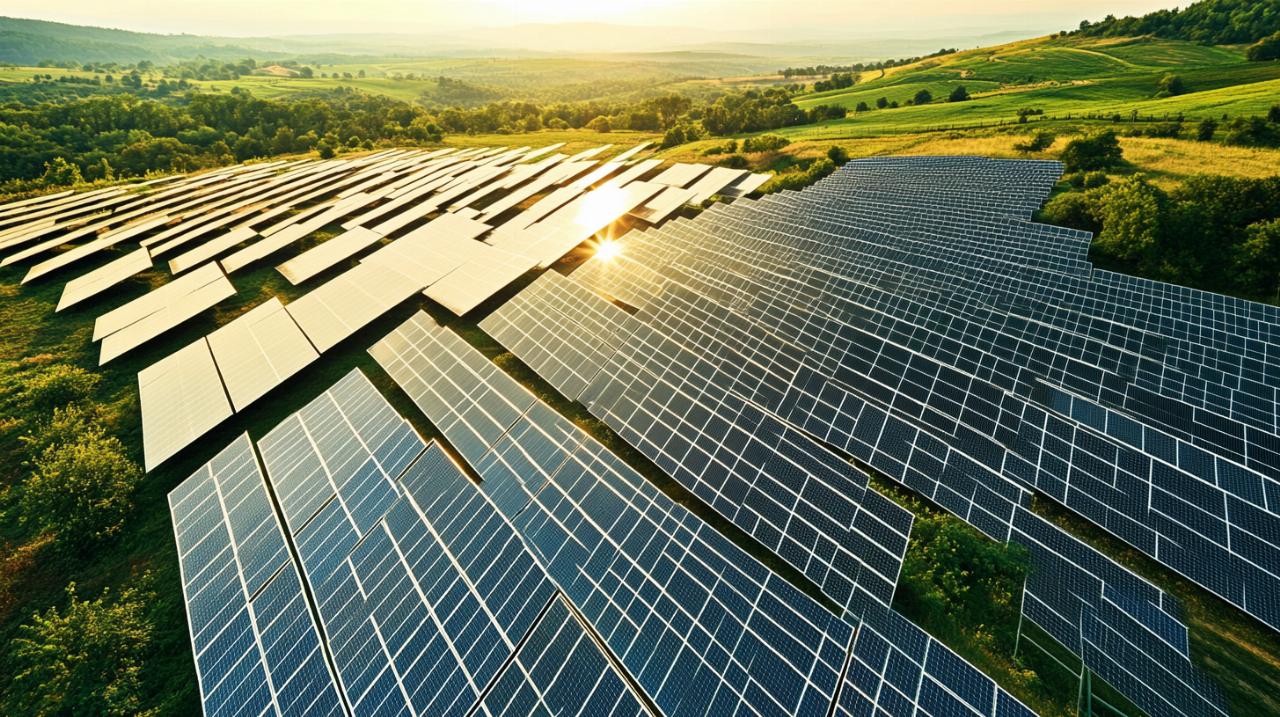
Ground-mounted projects represent a cornerstone of Urbasolar's operations, particularly those that repurpose land previously considered unsuitable for conventional development. Brownfield sites, including polluted land and former quarries, have been transformed into productive solar farms, breathing new life into areas that might otherwise remain dormant. This strategy not only generates clean electricity but also contributes to land remediation and economic revitalisation of regions affected by industrial decline.
The scale of these installations varies considerably, reflecting the company's adaptability to different contexts. A floating solar power plant in Peyssies, for instance, harnesses the reflective properties of water to enhance panel efficiency, generating 6.2 gigawatt-hours annually with a capacity of five megawatts, sufficient to meet the electricity needs of approximately 2,900 people. Such projects illustrate how Urbasolar leverages underutilised water surfaces, minimising land use conflicts whilst delivering substantial renewable energy capacity.
Strategic Site Selection and Environmental Integration in Renewable Energy Development
The selection of sites for solar installations requires a nuanced understanding of local geography, regulatory frameworks, and community needs. Urbasolar has cultivated partnerships with local councils and property owners, ensuring that projects align with regional development priorities and environmental considerations. This collaborative approach has contributed to the company's impressive success rate of over ninety percent in competitive tenders organised by the French energy regulator, demonstrating both technical competence and the ability to craft proposals that resonate with public sector objectives.
Environmental integration extends to agricultural settings, where photovoltaic installations are designed to complement rather than compete with food production. The company has developed specialised solutions including crop canopies, livestock canopies, and greenhouse systems that provide dual benefits: shelter and optimal growing conditions for plants or animals alongside electricity generation. One notable example is a greenhouse installation in arboriculture covering three hectares with a capacity of 2.7 megawatts, producing 3.8 gigawatt-hours annually, enough to power approximately 1,740 people whilst maintaining productive orchards beneath the panels.
Market gardening operations have also benefited from this innovative approach. A strawberry cultivation project with a capacity of 2.8 megawatts generates 3.8 gigawatt-hours each year, supporting the energy needs of around 2,000 people whilst providing ideal growing conditions for the delicate fruit. These agrivoltaic solutions represent a sophisticated response to competing demands on land, particularly in densely populated regions where agricultural preservation and renewable energy development must coexist.
Driving the Energy Transition: Urbasolar's Role in Europe's Renewable Revolution
From Montpellier to the Alps: Geographical Expansion and Regional Impact
Operating from its head office in Montpellier, Urbasolar has extended its reach across France and into neighbouring territories, establishing a presence in the Rhône-Alpes region and Switzerland through its parent organisation, the Axpo Group. This geographical expansion reflects both the growing demand for renewable energy infrastructure and the company's proven track record in delivering complex projects across varied terrain and regulatory environments.
The French solar market has experienced substantial growth, with national capacity reaching twenty gigawatts by the end of 2023. The government has set ambitious targets to triple this capacity to sixty gigawatts by 2030, creating significant opportunities for established players like Urbasolar. The company's involvement spans the entire value chain of photovoltaic projects, with the exception of panel manufacturing, allowing it to maintain quality control and project coherence from initial site assessment through to commissioning and ongoing operation.
Regional impact extends beyond the direct generation of electricity. Large-scale installations create employment during construction phases and contribute to local economies through leasing arrangements with landowners. The transformation of industrial rooftops, in particular, has opened up a substantial new frontier for solar deployment. The Beauvais project, covering 62,000 square metres atop an industrial building owned by PRD, exemplifies this trend. With a capacity of 12.8 megawatts, it generates thirteen gigawatt-hours annually, sufficient to power approximately 3,000 households, and represents France's largest rooftop solar installation when it was launched.
Production Capacity Growth and Contribution to Carbon-Neutral Energy Goals
The cumulative effect of Urbasolar's projects makes a meaningful contribution to France's decarbonisation objectives. Each installation displaces electricity that would otherwise be generated from fossil fuels, reducing carbon emissions and improving air quality. The company's focus on sustainability and carbon footprint reduction aligns with broader European Union climate targets, positioning renewable energy not merely as an alternative but as the primary pillar of future electricity systems.
Production capacity has grown steadily through a combination of large flagship projects and smaller distributed installations. The Disneyland Paris parking canopy system represents one of the most visible examples, with a capacity of thirty-six megawatts generating thirty-six gigawatt-hours annually, equivalent to the consumption of 17,400 people whilst providing covered parking for 11,200 vehicles. This dual-purpose infrastructure demonstrates how renewable energy can be seamlessly integrated into existing facilities, enhancing both energy security and visitor experience.
A project currently under construction in Dourges, northern France, will further bolster this capacity. The installation atop the Omega building spans 128,000 square metres and will deploy nearly 29,000 solar panels manufactured by Jinko Solar. With a capacity of 17.5 megawatts and projected annual production of seventeen gigawatt-hours, the facility will use one gigawatt-hour on-site with the remainder exported to the grid. Urbasolar secured a thirty-year lease following a competitive tender in 2024, with commissioning expected between late 2026 and early 2027.
Business growth and market leadership: urbasolar's expanding footprint
Turnover Trends and Investment in New Solar Projects Across Rhône-Alpes and Switzerland
The company's business trajectory reflects the broader momentum within the renewable energy sector. Turnover has expanded alongside the growing project pipeline, supported by investment from strategic partners including Harbert Management Corporation, which participated in the Beauvais rooftop project. Such partnerships bring both financial resources and sectoral expertise, enabling Urbasolar to undertake increasingly ambitious installations whilst managing risk and ensuring long-term operational viability.
Expansion into Switzerland through the Axpo Group's integrated structure provides access to one of Europe's most mature renewable energy markets. Switzerland's commitment to phasing out nuclear power and reducing reliance on imported electricity has created demand for domestic renewable generation. CKW Group, another Axpo subsidiary, provides integrated energy and building technology solutions, creating synergies with Urbasolar's core competencies and facilitating cross-border knowledge transfer.
The Rhône-Alpes region, with its combination of industrial infrastructure, agricultural land, and mountainous terrain, presents both opportunities and challenges for solar development. Urbasolar's experience with diverse site conditions positions it well to navigate the complexities of alpine environments, where factors such as elevation, shading, and snow load require careful engineering consideration. The company's track record in adapting technology to local conditions has been crucial in maintaining project viability across such varied landscapes.
Innovative Solutions and Partnerships Strengthening Urbasolar's Position in the Solar Sector
Innovation at Urbasolar extends beyond hardware to encompass business models that align the interests of energy producers, consumers, and financiers. Corporate Power Purchase Agreements represent one such innovation, allowing businesses to secure long-term supplies of renewable electricity at predictable prices whilst providing developers with revenue certainty that facilitates project financing. These arrangements have become increasingly popular as corporations seek to demonstrate environmental responsibility and hedge against volatile energy markets.
Self-consumption configurations offer another pathway, particularly for industrial and commercial facilities with high daytime electricity demand that aligns with solar production profiles. By consuming generated electricity on-site rather than exporting to the grid, businesses reduce their exposure to retail electricity prices and enhance energy independence. Urbasolar provides turnkey solutions for such applications, managing everything from initial feasibility studies through to ongoing maintenance and performance monitoring.
The company's relationship with the Axpo Group provides access to broader capabilities including wind energy through Volkswind, which plans, constructs, and operates wind farms throughout Europe. This diversification across renewable technologies positions the group to offer integrated solutions that combine solar, wind, and other clean energy sources, optimising generation profiles and enhancing grid stability. The parent organisation's presence in over thirty countries across Europe, North America, and Asia facilitates knowledge exchange and access to emerging markets.
Looking ahead, Urbasolar's combination of technical expertise, strategic partnerships, and proven project delivery positions it to capitalise on Europe's accelerating energy transition. As national governments implement policies to meet climate commitments and the cost competitiveness of solar technology continues to improve, the demand for ground-mounted installations, rooftop systems, and innovative applications such as floating and agrivoltaic solutions is set to intensify. The company's track record suggests it will remain a prominent participant in shaping Europe's renewable energy landscape, transforming ambition into operational capacity that powers homes, businesses, and communities across the continent.