Homeowners across the United Kingdom are increasingly recognising the profound impact that thoughtfully selected windows and doors can have on the comfort, sustainability, and overall value of their properties. As energy costs continue to rise and environmental concerns become more pressing, investing in upgraded fenestration has emerged as one of the most effective strategies for transforming a house into a warm, inviting, and economically sound home. Modern advancements in glazing technology, frame materials, and installation techniques mean that replacing outdated windows and doors is no longer simply a cosmetic update but a smart financial decision that pays dividends for years to come.
Understanding the Impact of Windows and Doors on Home Energy Performance
The connection between fenestration and household energy consumption is both significant and often underestimated. Older homes, particularly those built before modern building regulations came into effect, frequently suffer from substantial heat loss through their windows and doors. Research indicates that upgrading to contemporary, high-performance units can reduce heat loss by as much as seventy percent, according to figures from the Energy Saving Trust. This dramatic reduction translates directly into lower heating bills, with homeowners potentially saving between one hundred and ten and one hundred and fifty-five pounds annually when installing A-rated double glazing. Beyond the immediate financial benefits, improved thermal performance contributes to a more stable indoor climate, reducing condensation problems and enhancing overall air quality throughout the home.
How heat loss through outdated fenestration affects your energy bills
Traditional single-glazed windows and poorly insulated doors act as thermal weak points in the building envelope, allowing precious warmth to escape during colder months and unwanted heat to enter during summer. The U-value, which measures the rate of heat transfer through a material, serves as the key indicator of thermal performance. Older windows often have U-values exceeding three watts per square metre Kelvin, whilst modern double-glazed units typically achieve values between one point two and one point four, and triple-glazed installations can reach as low as zero point eight. This technical improvement means that significantly less energy is required to maintain comfortable temperatures indoors, with some homeowners experiencing reductions in energy bills of up to thirty percent compared to properties with outdated fenestration. The cumulative effect over the lifespan of the windows makes this investment particularly attractive from a financial perspective.
The Role of Thermal Bridging in Traditional Window and Door Installations
Beyond the glazing itself, the frames and installation methods of older windows and doors contribute substantially to energy inefficiency. Thermal bridging occurs when heat finds a path of least resistance through materials with poor insulating properties, such as traditional aluminium frames without thermal breaks or wooden frames that have deteriorated over time. Modern installations address this challenge through the use of thermally broken frames, which incorporate insulating barriers within the material structure to prevent heat transfer. Contemporary uPVC, composite, and thermally efficient aluminium frames work in concert with advanced glazing technologies, including low-emissivity glass coatings and argon or krypton gas filling between panes, to create a comprehensive barrier against heat loss. Warm-edge spacer bars, which separate the glass panes at the perimeter, further enhance performance by reducing the cold bridge effect that occurred with older metal spacers. Professional installation is equally critical, as even the most advanced products will underperform if gaps and draughts are not properly addressed during fitting.
Selecting the Right Energy-Efficient Windows and Doors for Your Property
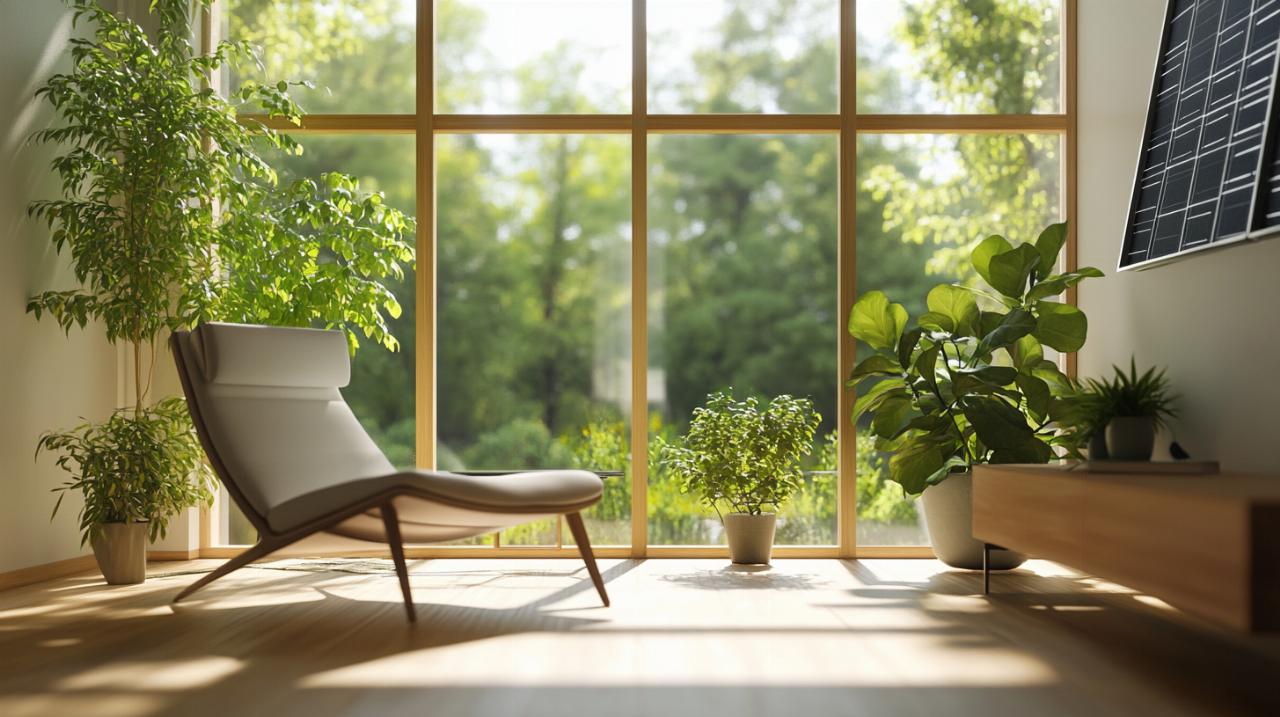
Choosing the most appropriate fenestration for a home renovation project requires careful consideration of multiple factors, including the architectural style of the property, local climate conditions, and the specific performance requirements of different areas within the home. The market offers an extensive range of window styles, from traditional casement and flush casement designs to vertical sliding sash, tilt and turn, and bay configurations, each available in various materials and with different levels of thermal efficiency. Similarly, doors come in numerous formats, including composite front doors with insulated cores and multi-point locking systems, French doors that provide elegant access to gardens, bi-fold doors that create seamless indoor-outdoor living spaces, and sliding patio doors that maximise natural light whilst maintaining excellent thermal performance. The key is to match the product specifications to the intended purpose, ensuring that both aesthetic preferences and practical requirements are met.
Comparing double glazing, triple glazing, and modern frame materials
The decision between double and triple glazing often hinges on the specific circumstances of the property and the homeowner's priorities. Double-glazed units, which consist of two panes of glass separated by a gas-filled cavity, offer excellent thermal performance and represent the standard choice for most residential applications. They typically achieve U-values in the range of one point two to one point four watts per square metre Kelvin, providing substantial improvements over older windows whilst remaining cost-effective. Triple glazing, incorporating three panes and two gas-filled cavities, can deliver U-values as low as zero point eight, offering even greater insulation and acoustic benefits. This option is particularly valuable in areas exposed to high noise levels or extreme weather conditions, though the additional cost and weight must be factored into the decision-making process. The frame material also plays a crucial role in overall performance. Aluminium frames, which have gained considerable popularity in recent years, combine strength with slim sightlines, allowing for larger expanses of glass and more natural light. When manufactured with thermal breaks, modern aluminium frames deliver impressive energy efficiency whilst offering exceptional durability and a wide palette of colour options. Composite doors, which feature an insulated core surrounded by protective skins, provide outstanding thermal performance alongside excellent security credentials. Meanwhile, uPVC remains a reliable and economical choice, offering good insulation properties, low maintenance requirements, and a proven track record across millions of installations.
Understanding Energy Ratings and Certifications for Sustainable Home Improvements
Navigating the various ratings and certifications associated with energy-efficient fenestration helps homeowners make informed decisions that align with their sustainability goals. The Energy Performance Certificate rating of a property can be significantly improved through window and door upgrades, with research suggesting that homes boasting higher EPC ratings tend to sell for two to three percent more than comparable properties with lower ratings. This premium reflects the growing importance buyers place on running costs and environmental impact when evaluating potential purchases. Beyond the financial implications, selecting products that utilise recyclable materials such as aluminium, steel, and uPVC contributes to broader sustainability objectives, reducing the environmental footprint of home improvements. Some suppliers have embraced additional eco-friendly practices, including the use of electric vehicles for installations and comprehensive recycling programmes for old fenestration removed during renovations. Warranties and guarantees also merit careful attention, with many reputable installers offering ten-year workmanship guarantees that provide peace of mind alongside the manufacturer warranties on the products themselves. The longevity of modern materials ensures that these investments will continue delivering benefits for decades, with minimal maintenance requirements and excellent resistance to weathering, rot, and discolouration.
The return on investment for upgraded windows and doors extends well beyond energy savings to encompass enhanced kerb appeal, improved security through modern multi-point locking systems, and superior acoustic insulation that creates a more peaceful living environment. Properties fitted with contemporary fenestration make an immediate positive impression on potential buyers, appearing well-maintained and move-in ready. In some cases, particularly with high-quality door replacements, homeowners can expect to recoup nearly the entire cost of the installation when selling their property. Companies with extensive experience, some operating for nearly four decades, bring invaluable expertise to the specification and installation process, ensuring that bespoke products are perfectly tailored to the unique requirements of each home. Free quotations without obligation allow homeowners to explore their options without pressure, whilst made-to-measure manufacturing ensures that every installation achieves optimal performance and aesthetic harmony with the existing architecture. Whether addressing visible signs of deterioration such as draughts, condensation, rattling, rotting frames, or discoloured uPVC, or simply pursuing proactive improvements to comfort and efficiency, upgrading windows and doors represents a cornerstone strategy for creating homes that are warmer, quieter, more secure, and significantly more economical to run throughout the changing seasons.