The electric vehicle revolution sweeping across California is reaching a pivotal moment. As more drivers embrace the transition to sustainable transport, a new conversation is emerging about what it takes to make this shift truly practical and convenient. Californian EV owners are not merely interested in purchasing greener cars; they are actively expressing a readiness to invest more in the infrastructure that supports their daily journeys. Central to this evolving landscape is the demand for charging stations that are not only more accessible but also equipped with seamless digital payment options that match the technological sophistication of the vehicles themselves.
- Californian electric vehicle drivers are increasingly willing to financially support the expansion and improvement of charging infrastructure to ensure a more reliable experience.
- The US electric vehicle charging market is projected to grow nearly tenfold by 2030, necessitating a massive increase in the number of operational charge points.
- Drivers are demanding more accessible and strategically located charging stations that mirror the technological sophistication of their vehicles.
- Seamless digital payment solutions are now viewed as a necessity rather than a luxury to eliminate friction and simplify the charging process.
- The transition to electric vehicles requires addressing unique charging challenges in multi-unit residential buildings where space and installation costs remain significant hurdles.
- The electric vehicle supply equipment market is expected to reach 100 billion dollars by 2040, creating a strong competitive incentive for operators to prioritize user-friendly digital payment innovations.
The growing appetite for convenient charging infrastructure amongst californian ev owners
Rising Willingness to Invest in Enhanced Charging Access
Across California, electric vehicle drivers are demonstrating a clear willingness to contribute financially towards the expansion and improvement of charging networks. This readiness stems from a growing recognition that the success of their ownership experience hinges on the availability and quality of charging infrastructure. As the number of electric vehicles on the road continues to climb, the current network of charge points is being stretched to its limits. The US electric vehicle charging market could grow nearly tenfold by 2030, with the current number of charge points at about four million expected to rise to thirty-five million within the same timeframe. Such expansion reflects not only the increasing number of vehicles but also the evolving expectations of drivers who demand convenience and reliability in every aspect of their journey.
The willingness to invest more is not simply about adding more charge points. It is about ensuring that these stations are strategically located, easily accessible, and equipped with the latest technology to facilitate swift and hassle-free transactions. Drivers are particularly vocal about the need for digital payment solutions that eliminate the friction often associated with traditional payment methods. The expectation is that charging an electric vehicle should be as straightforward as refuelling a conventional car, if not more so. This demand for enhanced charging access is driving significant changes in how infrastructure is planned, funded, and deployed across the state.
How ownership experience drives demand for better infrastructure
The ownership experience of electric vehicle drivers in California is fundamentally shaping the infrastructure landscape. As more individuals make the switch to electric mobility, they quickly discover that the convenience of home charging is only part of the equation. The need for reliable public charging becomes apparent during longer trips, daily commutes, and in situations where residential charging is not feasible. This realisation has led to a collective push for better infrastructure that can support a diverse range of use cases and driving patterns. With an estimated twenty-seven million EVs expected in the United States by 2030, increasing to ninety-two million by 2040, the pressure on infrastructure providers to meet these demands is intensifying.
Furthermore, the ownership experience is not uniform across all demographics. Single-unit residential properties may offer the luxury of dedicated home charging, but multi-unit dwellings present unique challenges. Space constraints and the high upfront costs associated with installing charging equipment in apartment buildings are significant hurdles. As residential charging is expected to account for eighty percent of all charge points by 2030, with twenty-two million in single-unit homes and six million in multi-unit residences, addressing these challenges is critical. The demand for seamless digital payment options extends beyond public charging stations and into these residential settings, where ease of access and straightforward billing can make or break the decision to transition to electric mobility.
Digital payment solutions: the missing link in california's ev charging network
Why seamless transactions matter for today's electric vehicle drivers
For the modern electric vehicle driver, the charging experience is about more than simply plugging in. It is about the entire ecosystem that surrounds the act of recharging, and seamless digital payment solutions are at the heart of this ecosystem. Drivers expect to be able to initiate a charge, monitor progress, and complete payment all through a single, intuitive interface. The absence of such streamlined systems can lead to frustration, wasted time, and a reluctance to rely on public charging networks. In a state where millions of drivers are making the transition to electric vehicles, the demand for frictionless transactions is not a luxury but a necessity.
The importance of seamless transactions is underscored by the rapid growth of the electric vehicle supply equipment market, which is projected to expand from seven billion dollars to one hundred billion dollars by 2040. Charge Point Operators are expected to generate significant revenue, with estimates reaching sixty-five billion dollars by the same year. This burgeoning market presents an opportunity for innovation in payment technology, but it also highlights the competitive pressure to deliver user experiences that meet the high standards set by other digital services. Drivers who are accustomed to the convenience of mobile payments in their everyday lives expect nothing less when it comes to charging their vehicles. Any friction in the payment process can detract from the overall appeal of electric mobility and slow the pace of adoption.
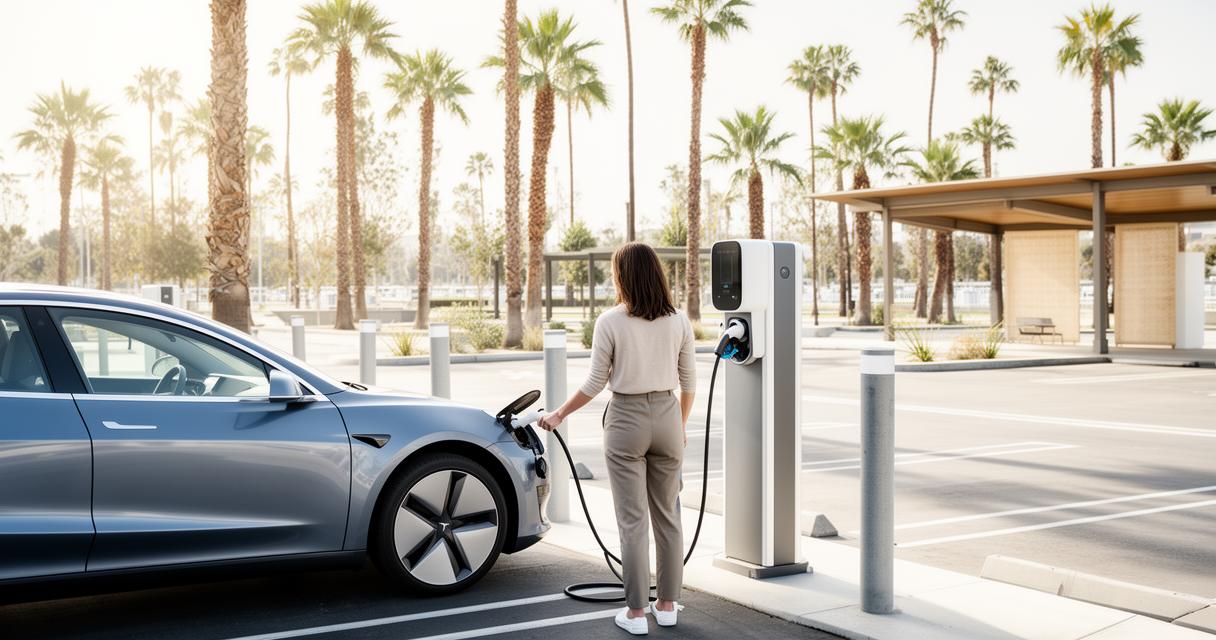
The Role of Digital Payment Technology in Accelerating EV Adoption
Digital payment technology is not merely a convenience; it is a catalyst for accelerating the adoption of electric vehicles across California and beyond. When drivers can seamlessly pay for charging services using their smartphones or contactless cards, the barriers to entry are lowered, and the overall experience becomes more appealing. This ease of use is particularly important for attracting new buyers who may be hesitant about the perceived complexities of owning an electric vehicle. By integrating advanced digital payment systems into charging infrastructure, operators can create a more welcoming environment that encourages broader participation in the electric mobility revolution.
Moreover, the integration of digital payment solutions can support the development of innovative business models that cater to the diverse needs of customers. From subscription-based charging plans to dynamic pricing that reflects real-time demand, the possibilities are vast. At-work charging is expected to grow from nearly zero percent to about seventeen percent by 2030, representing six million charge points. This shift towards workplace charging underscores the need for flexible payment systems that can accommodate different user groups and usage patterns. As the infrastructure continues to evolve, the role of digital payment technology will only become more central to the success of the entire ecosystem.
Investment and Innovation: Building California's Future of Sustainable Transport
How Manufacturers and States Are Collaborating to Deploy Charging Infrastructure
The deployment of charging infrastructure in California is a collaborative effort that brings together manufacturers, state governments, and private sector innovators. Major supporting legislation, including seven and a half billion dollars from the 2021 Infrastructure Investment and Jobs Act and three hundred and seventy billion dollars from the Inflation Reduction Act, is providing the financial backbone for this ambitious expansion. These investments are critical for addressing the high upfront costs and economic challenges associated with building a comprehensive network of charge points. By pooling resources and expertise, stakeholders are working to ensure that the infrastructure keeps pace with the growing number of electric vehicles on the road.
Manufacturers of electric vehicles and charging equipment are playing a pivotal role in this process. Companies at the forefront of the zero emissions movement are not only producing vehicles but also investing heavily in the development and deployment of charging infrastructure. This dual focus is essential for maintaining the autonomy of electric vehicles and ensuring that drivers have the confidence to embark on longer journeys without fear of running out of charge. The collaboration between manufacturers and states is also driving innovation in areas such as space-efficient charging solutions for multi-unit dwellings and fleet charging systems that cater to commercial operators. By addressing the specific needs of different customer segments, this partnership is laying the groundwork for a more inclusive and accessible electric mobility ecosystem.
The Economic Impact of EV Infrastructure Investment on California's Energy Landscape
The investment in electric vehicle infrastructure is reshaping California's energy landscape in profound ways. As billions of dollars flow into the development of charge points and supporting systems, the economic ripple effects are being felt across multiple sectors. The growth of the electric vehicle supply equipment market is creating new jobs, stimulating technological innovation, and driving demand for renewable energy sources. The projected increase in charge points from four million to thirty-five million by 2030 represents not only a quantitative leap but also a qualitative transformation in how energy is distributed and consumed across the state.
Key challenges remain, including the need to justify investment for employers, manage space constraints in densely populated urban areas, and ensure charger availability for fleets. Future strategies must consider customer needs, appropriate business models, and the economic realities of the EVSE market. The focus on ensuring that eighty percent of all charge points by 2030 are in residential settings highlights the importance of bringing charging infrastructure closer to where people live. This shift has significant implications for urban planning, real estate development, and energy policy. As California continues to lead the nation in electric vehicle adoption, the lessons learned from its infrastructure investments will serve as a blueprint for other states and regions looking to embrace sustainable transport.
The convergence of investment, innovation, and policy support is creating a dynamic environment in which electric vehicle drivers in California are no longer passive consumers but active participants in shaping the future of mobility. Their readiness to invest more for accessible charging stations and their demand for seamless digital payment options are driving a transformation that extends far beyond the automotive sector. This shift represents a fundamental reimagining of how energy, technology, and transportation intersect, with California at the forefront of this exciting evolution.